
Taj Mahal – The Timeless Symbol of Love and Indian Heritage

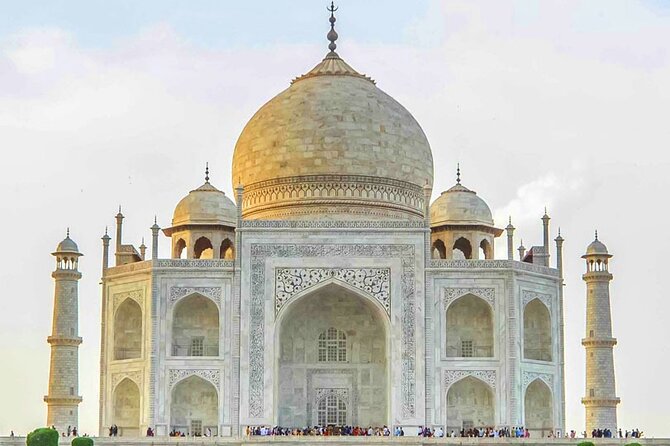
India is home to many historical monuments, but the Taj Mahal stands as the most iconic and admired landmark in the country. Located in the historic city of Agra, this magnificent white marble monument attracts millions of visitors every year from across the globe. Known as a symbol of eternal love, the Taj Mahal reflects India’s rich culture, architectural brilliance, and deep history.
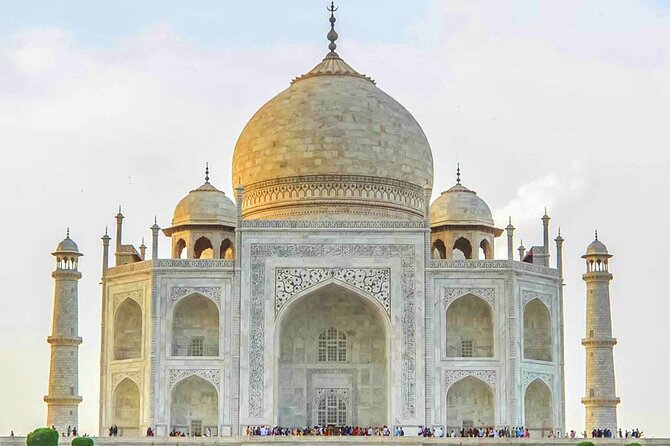
History of the Taj Mahal
The Taj Mahal was built by the Mughal Emperor Shah Jahan in memory of his beloved wife Mumtaz Mahal. After her death in 1631, Shah Jahan decided to build a grand mausoleum to honor her love and memory. Construction began in 1632 and took around 20 years to complete.
More than 20,000 artisans and craftsmen worked day and night to create this masterpiece. Materials, including white marble, were brought from different parts of India and even from other countries.
Architectural Beauty
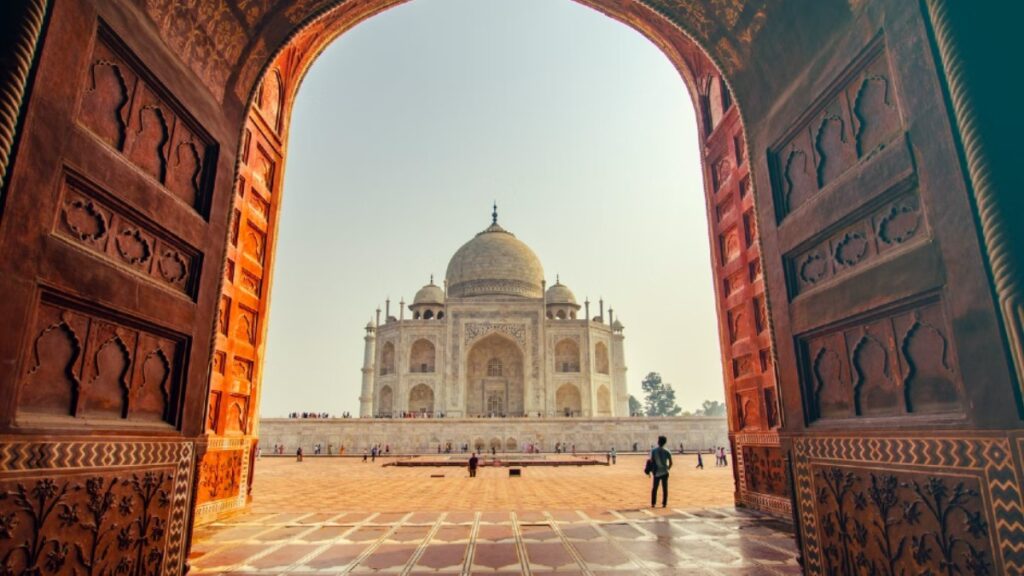
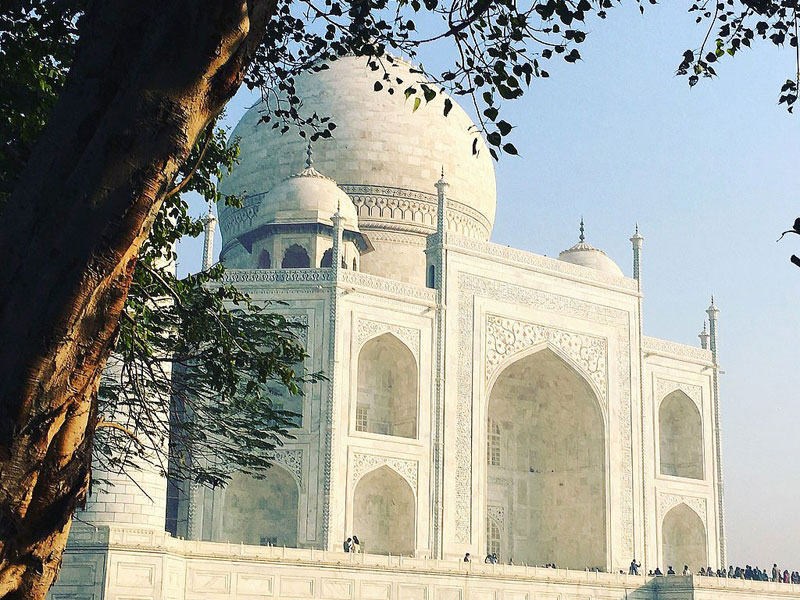
The Taj Mahal is a perfect example of Mughal architecture, combining Persian, Islamic, and Indian styles. The monument is made entirely of white marble, which changes color depending on sunlight — appearing pink in the morning, white in the afternoon, and golden at night.
Key architectural highlights include:
- A massive central dome
- Four elegant minarets
- Intricate marble carvings
- Beautiful calligraphy on the walls
- Symmetrical gardens and fountains
The detailed floral patterns and gemstone inlays make it one of the most beautifully designed buildings in the world.
UNESCO World Heritage Site
The Taj Mahal is recognized as a World Heritage Site by UNESCO. It is also considered one of the Seven Wonders of the World. Due to its cultural importance and global popularity, it remains one of the most visited tourist destinations in India.
Best Time to Visit
The best time to visit the Taj Mahal is between October and March when the weather is pleasant. Sunrise and sunset views are especially breathtaking. On full moon nights, the monument looks magical under moonlight, offering a once-in-a-lifetime experience.
Tourism and Cultural Importance
The Taj Mahal plays a significant role in boosting tourism in India. It contributes greatly to the local economy of Agra by creating jobs and supporting local businesses such as hotels, guides, handicraft shops, and restaurants.
It is not only a monument but also a symbol of:
- Eternal love
- Dedication
- Artistic excellence
- India’s glorious past
Interesting Facts About the Taj Mahal
- The marble used was sourced from Rajasthan.
- The four minarets are slightly tilted outward to protect the main tomb in case of an earthquake.
- It took approximately 22 years to complete.
- Around 1,000 elephants were used to transport construction materials.
Conclusion
The Taj Mahal is more than just a historical monument; it is an emotion and a symbol of everlasting love. Its stunning beauty, rich history, and architectural perfection make it one of the greatest wonders ever created by humans. Anyone visiting India should experience the timeless charm of the Taj Mahal at least once in their lifetime.